Psychiatric medications can be confusing, especially when you hear terms like SSRI, SNRI, mood stabilizer, stimulant, or antipsychotic for the first time. You may find yourself wondering, “What is this medication actually doing to my brain?” or “Why did my provider prescribe this particular type of medication?”
These are important questions, and you deserve to understand the medications you take.
Psychiatric medications fall into different classes based partly on how they work and the symptoms or conditions they treat. However, the name of a medication class does not always tell you why your provider prescribed it. For example, providers often use medications called “antidepressants” to treat anxiety and other mental health conditions, not just depression.
At My Mental Health Matters Psychiatric Services, we believe medication should be one part of a larger, personalized treatment plan. Our goal is not simply to prescribe medication. Instead, we want to understand the person behind the symptoms. When appropriate, we combine medication management with therapy, education, coping skills, healthy lifestyle changes, and ongoing monitoring.
So, what exactly are these medications, and how do they work?
How Do Psychiatric Medications Work?
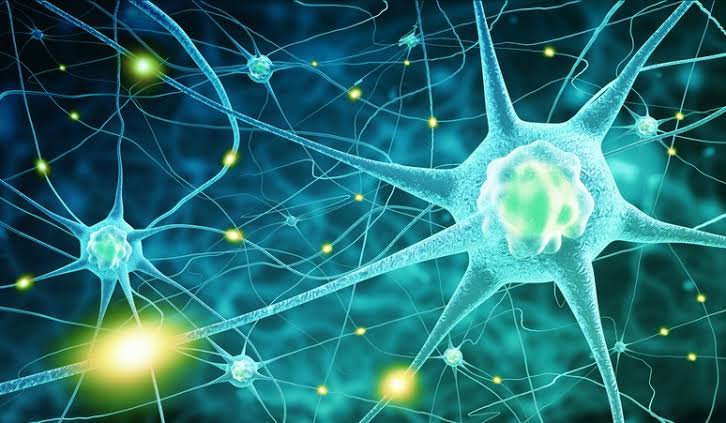
Your brain contains billions of nerve cells that constantly communicate with each other. To send some of these messages, the brain uses chemicals called neurotransmitters.
In simple terms, neurotransmitters are chemical messengers that help brain cells communicate.
Some important neurotransmitters include:
- Serotonin: Involved in mood, sleep, appetite, and other functions.
- Dopamine: Plays a role in motivation, reward, attention, movement, and learning.
- Norepinephrine: Helps regulate alertness, attention, energy, and the body’s response to stress.
- GABA: Helps calm or slow certain activity in the brain. You can think of it as part of the brain’s natural “braking system.”
- Glutamate: Helps activate brain cells and plays an important role in learning, memory, and communication between nerve cells.
Different psychiatric medications affect these communication systems in different ways. For example, some medications increase the availability of certain neurotransmitters. Others change how receptors respond to those chemical messages.
However, mental health is much more complicated than having “too much” or “too little” of one brain chemical. Genetics, brain function, physical health, stress, trauma, environment, relationships, sleep, substance use, and life experiences can all affect mental health.
As a result, the same medication may work very well for one person but not another. According to the National Institute of Mental Health, people respond differently to psychiatric medications. Therefore, finding a medication that provides the greatest benefit with the fewest side effects can sometimes take more than one attempt.
Types of Psychiatric Medications
Now that we understand the basics, let’s look at the major types of psychiatric medications and how they work.
1. Antidepressants
Despite their name, antidepressants do not only treat depression. Healthcare providers also use them to treat several other mental health conditions, including anxiety disorders.
Common antidepressant classes include SSRIs, SNRIs, NDRIs, TCAs, and MAOIs.
SSRIs: Selective Serotonin Reuptake Inhibitors
Common examples: Fluoxetine (Prozac), sertraline (Zoloft), escitalopram (Lexapro), citalopram (Celexa), and paroxetine (Paxil).
What do they do? SSRIs increase the availability of serotonin for signaling between brain cells.
How do they work? After serotonin carries a message between nerve cells, the cell that released it normally takes some of it back. Scientists call this process reuptake. SSRIs slow down this reuptake process. As a result, more serotonin stays available between brain cells. Simply put, SSRIs allow serotonin signals to remain available longer instead of clearing them away as quickly.
SNRIs: Serotonin-Norepinephrine Reuptake Inhibitors
Common examples: Venlafaxine (Effexor XR), desvenlafaxine (Pristiq), and duloxetine (Cymbalta).
What do they do? SNRIs increase the availability of two neurotransmitters: serotonin and norepinephrine.
How do they work? Similar to SSRIs, SNRIs slow down the reuptake process. However, they primarily affect two chemical messengers instead of one. Consequently, more serotonin and norepinephrine remain available to carry messages between brain cells. In addition to treating certain mental health conditions, healthcare providers use some SNRIs to treat certain types of chronic pain.
NDRIs: Norepinephrine-Dopamine Reuptake Inhibitors
Common example: Bupropion (Wellbutrin).
What do they do? NDRIs mainly affect norepinephrine and dopamine rather than serotonin.
How do they work? Bupropion slows the reuptake of norepinephrine and dopamine. Therefore, more of these chemical messengers remain available for communication between brain cells.
TCAs: Tricyclic Antidepressants
Common examples: Amitriptyline (Elavil), nortriptyline (Pamelor), and clomipramine (Anafranil).
What do they do? TCAs are an older class of antidepressants that primarily increase the availability of serotonin and norepinephrine.
How do they work? TCAs slow the reuptake of serotonin and norepinephrine. At the same time, they interact with several other receptors throughout the body. Because of these additional effects, TCAs can cause more side effects than some newer antidepressants. Nevertheless, they can still be effective and appropriate for certain patients.
MAOIs: Monoamine Oxidase Inhibitors
Common examples: Phenelzine (Nardil) and tranylcypromine (Parnate).
What do they do? MAOIs increase the availability of several neurotransmitters, including serotonin, norepinephrine, and dopamine.
How do they work? Your body uses an enzyme called monoamine oxidase to help break down certain neurotransmitters. MAOIs block this enzyme. As a result, the body does not break down these neurotransmitters as quickly, which leaves more available. Although MAOIs can work well for certain patients, they require careful management because they can interact with certain foods and medications.
Why Don’t Antidepressants Work Immediately?
Antidepressants begin affecting neurotransmitter systems relatively quickly. However, improvement in symptoms usually takes longer. According to NIMH, antidepressants generally take about 4 to 8 weeks to work. Some symptoms, such as sleep, appetite, energy, and concentration, may improve before mood does.
2. Anti-Anxiety Medications
Several types of medication can help treat anxiety. In fact, healthcare providers often use SSRIs and SNRIs for longer-term treatment of anxiety disorders.
However, other options may help depending on your symptoms and individual needs.
Benzodiazepines
Common examples: Alprazolam (Xanax), lorazepam (Ativan), clonazepam (Klonopin), and diazepam (Valium).
What do they do? Benzodiazepines slow certain activity in the nervous system, which can produce a calming effect.
How do they work? These medications strengthen the effects of GABA, one of the brain’s main calming chemical messengers. Think of GABA as part of your brain’s braking system. By strengthening its effects, benzodiazepines can slow certain brain activity. Consequently, they can reduce anxiety and produce relaxation or sedation. Benzodiazepines can work relatively quickly. However, providers prescribe them carefully because they carry risks of physical dependence, misuse, addiction, and withdrawal.
Buspirone (Buspar)
What does it do? Buspirone can help treat ongoing anxiety. However, it does not provide immediate relief in the same way that a fast-acting medication might.
How does it work? Buspirone mainly interacts with specific serotonin receptors, particularly receptors called 5-HT1A receptors. Rather than simply increasing serotonin levels, buspirone changes how these serotonin receptors communicate.
Unlike benzodiazepines, buspirone does not work by strengthening GABA activity. In addition, it usually requires consistent use over time. NIMH notes that patients generally need to take buspirone every day for several weeks before it reaches its full effect.
Beta-Blockers
Common example: Propranolol (Inderal).
What do they do? Beta-blockers can reduce some of the physical symptoms of anxiety, such as a racing heart, sweating, shaking, and tremors.
How do they work? Instead of primarily changing neurotransmitters in the brain, beta-blockers block certain effects of adrenaline and related stress signals in the body. In simple terms, they can turn down part of the body’s physical “fight-or-flight” response.
3. Antipsychotic Medications
The word “antipsychotic” can sound intimidating, but taking an antipsychotic does not automatically mean that you have schizophrenia or psychosis. Healthcare providers also use certain antipsychotics to treat conditions such as bipolar disorder. In addition, providers sometimes add an antipsychotic to an antidepressant when depression has not improved enough with an antidepressant alone.
Common examples: Aripiprazole (Abilify), risperidone (Risperdal), quetiapine (Seroquel), olanzapine (Zyprexa), lurasidone (Latuda), ziprasidone (Geodon), and clozapine (Clozaril).
What do they do? Antipsychotic medications change communication involving dopamine. Depending on the specific medication, they may also affect serotonin and other signaling systems.
How do they work? Many antipsychotics block or change activity at specific dopamine receptors. Meanwhile, many second-generation antipsychotics also affect serotonin receptors. Therefore, rather than thinking of these medications as simply “turning off dopamine,” it is better to think of them as helping regulate specific communication pathways in the brain. Different antipsychotics work somewhat differently. For this reason, their benefits, side effects, and monitoring requirements also vary. For example, some medications require providers to monitor weight, blood sugar, cholesterol, and other health measures.
4. Mood Stabilizers
Healthcare providers commonly use mood stabilizers to treat bipolar disorder, including significant changes in mood.
Common examples: Lithium, valproate/divalproex (Depakote), lamotrigine (Lamictal), and carbamazepine (Tegretol).
What do they do? Mood stabilizers help regulate brain activity associated with significant shifts in mood.
How do they work? Unlike SSRIs, mood stabilizers do not all work through the same pathway. For example, lithium affects several signaling processes within brain cells. Certain anticonvulsant medications that also work as mood stabilizers affect the brain’s electrical and chemical signaling in different ways. In simple terms, these medications help regulate how brain cells communicate and how active certain brain networks become. Additionally, some mood stabilizers require regular laboratory monitoring. People who take lithium, for example, generally need monitoring of their lithium level as well as kidney and thyroid function.
5. Stimulant Medications
Healthcare providers commonly prescribe stimulants for Attention-Deficit/Hyperactivity Disorder (ADHD) and narcolepsy. Two major stimulant families used for ADHD are amphetamine-based medications and methylphenidate-based medications.
Amphetamine-Based Stimulants
Common examples: Adderall, Adderall XR, Vyvanse, and Dexedrine.
What do they do? Amphetamine medications increase signaling involving dopamine and norepinephrine. These neurotransmitters play important roles in attention, motivation, alertness, and executive functioning.
How do they work? Amphetamines increase the availability of dopamine and norepinephrine, including by increasing their release and affecting how nerve cells transport them. Simply put, these medications make more dopamine and norepinephrine available for communication in certain brain pathways. As a result, people with ADHD may experience improvements in symptoms such as distractibility, impulsivity, and difficulty sustaining attention.
Methylphenidate-Based Stimulants
Common examples: Ritalin, Concerta, and Focalin.
What do they do? Like amphetamines, methylphenidate medications increase signaling involving dopamine and norepinephrine.
How do they work? Methylphenidate mainly blocks the transporters that take dopamine and norepinephrine back into nerve cells. Therefore, more of these neurotransmitters remain available between the cells. Both stimulant families ultimately increase dopamine and norepinephrine signaling. However, they do not accomplish this in exactly the same way.
6. Non-Stimulant ADHD Medications
Stimulants are not the only option for ADHD. Depending on a person’s symptoms, medical history, response to previous medications, side effects, and individual needs, a provider may recommend a non-stimulant medication instead.
Atomoxetine (Strattera)
Atomoxetine is a selective norepinephrine reuptake inhibitor. It slows the process that takes norepinephrine back into nerve cells. As a result, norepinephrine signaling increases in areas of the brain involved in attention and behavioral regulation.
Viloxazine ER (Qelbree)
Viloxazine affects norepinephrine signaling and also appears to influence certain serotonin pathways. However, researchers do not yet completely understand how these effects produce improvements in ADHD symptoms.
Guanfacine ER (Intuniv) and Clonidine ER (Kapvay)
These medications act on alpha-2 adrenergic receptors, which play a role in norepinephrine signaling. Through these effects, the medications can help regulate brain networks involved in attention, impulsivity, and behavioral control.
“Will I Become Dependent on Psychiatric Medication?”
This is one of the most common concerns patients have about psychiatric medications.
The answer depends on which medication you take. Not all psychiatric medications carry the same risk of addiction or physical dependence. Furthermore, physical dependence and addiction are not the same thing.
Physical dependence means your body has adapted to a medication. Therefore, stopping it suddenly may cause withdrawal symptoms. Addiction, on the other hand, involves a pattern of compulsive substance use despite harmful consequences.
This distinction becomes especially important when discussing benzodiazepines. The FDA requires boxed warnings for benzodiazepines because they carry risks of abuse, misuse, addiction, physical dependence, and withdrawal. Physical dependence can develop even when someone takes these medications as prescribed. However, developing physical dependence does not automatically mean that someone has an addiction. Instead, it means healthcare providers need to prescribe, monitor, and discontinue these medications carefully.
The FDA also warns that abruptly stopping benzodiazepines or reducing the dose too quickly can cause serious withdrawal reactions. Therefore, when discontinuation is appropriate, a healthcare professional generally develops an individualized plan to gradually lower the dose. Stimulants also require responsible prescribing and monitoring because they carry risks of misuse, abuse, addiction, and overdose.
Most importantly, do not suddenly stop or change the dose of a psychiatric medication without speaking with your healthcare provider.
If you have concerns about addiction, dependence, or withdrawal, talk openly with your provider. These questions are an important part of making informed decisions about your care.
Medication Is a Tool, Not the Entire Treatment Plan
This is one of the most important parts of our philosophy at My Mental Health Matters Psychiatric Services.
Our goal is not simply to give you medication.
Medication can be an extremely helpful tool when it is clinically appropriate. For example, it may help reduce anxiety, improve concentration, stabilize mood, or decrease symptoms of depression. However, medication cannot address every part of mental health.
A prescription cannot process trauma for you, teach you how to set healthy boundaries, improve communication in your relationships, or develop coping skills on your behalf.
That is where therapy and whole-person mental health care become especially important.
NIMH describes psychotherapy as treatment that can help people identify and change troubling emotions, thoughts, and behaviors. Depending on your needs, therapy can also help you build coping and problem-solving skills, improve communication, manage stress, and improve daily functioning.
Therefore, medication and therapy do not have to compete with each other. They can work together.
Think of mental health treatment as a toolbox. Medication may be one tool, while therapy may be another. In addition, sleep, physical activity, nutrition, stress management, routines, healthy relationships, coping skills, social support, and treatment of underlying medical conditions can all play important roles.
You may not need every tool in the toolbox. Instead, the goal is to determine which combination of tools best supports you.
Why Personalized Psychiatric Care Matters
Two people can have the same diagnosis and still need completely different treatment plans.
For example, one person with depression may respond well to an SSRI. Another person may experience side effects or little improvement and respond better to a different medication. Meanwhile, someone else may benefit significantly from psychotherapy or a combination of medication and therapy.
That does not necessarily mean a treatment “failed.” It means people respond differently.
NIMH emphasizes that psychiatric medications can affect people differently. Consequently, finding the medication that provides the most benefit with the fewest side effects can sometimes require trying more than one treatment.
A personalized treatment plan may consider:
- Your symptoms and diagnosis
- Your medical and psychiatric history
- Previous medication experiences
- Other medications you take
- Possible medication interactions
- Potential side effects
- Physical health
- Sleep
- Substance use
- Current stressors
- Therapy participation
- Daily functioning
- Your personal treatment goals and preferences
Most importantly, treatment should continue to evolve as your needs change.
That is why follow-up appointments matter. They give you and your provider opportunities to discuss your progress, side effects, concerns, and treatment goals. When appropriate, your provider may also recommend laboratory testing, therapy, lifestyle changes, or adjustments to your medication.
You Deserve to Understand Your Treatment
If there is one thing we want you to take away from this article, it is this:
You should understand why you are taking your medication.
At My Mental Health Matters Psychiatric Services, we believe medication management should be thoughtful, collaborative, monitored, and personalized.
When medication is appropriate, it should have a clear purpose. Likewise, when therapy can help, it should be part of the conversation. Stress, trauma, sleep, physical health, relationships, coping skills, and lifestyle factors also deserve attention when they affect your mental health.
Because the goal is not simply to prescribe medication. The goal is to understand and treat the whole person.
Sources
- National Institute of Mental Health (NIMH). Mental Health Medications.
- National Institute of Mental Health (NIMH). Psychotherapies.
- U.S. Food and Drug Administration (FDA). Benzodiazepine Drug Class Safety Communication.
- U.S. Food and Drug Administration (FDA). FDA Requires Updates to Improve Safe Use of Prescription Stimulants.
- MedlinePlus, U.S. National Library of Medicine. Antidepressants.
Disclaimer: This article is for educational purposes only and does not replace individualized medical advice, diagnosis, or treatment. Medication benefits, risks, side effects, and monitoring requirements vary by medication and patient. Do not start, stop, or change the dose of a psychiatric medication without discussing it with your prescribing healthcare professional.