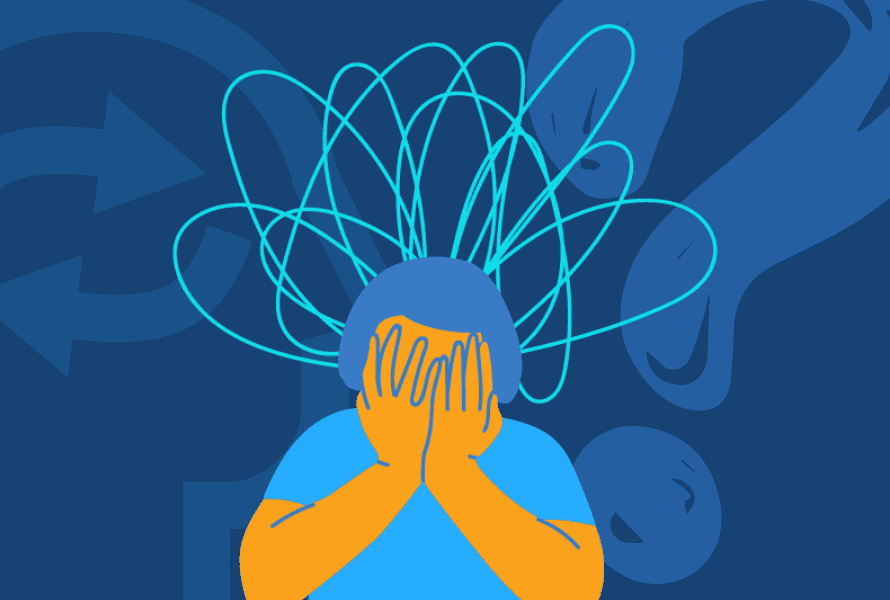
Trauma can affect one’s mental health in many different ways. While some people experience well-known symptoms such as flashbacks or distressing memories, the effects of trauma on mental health can also appear in less obvious ways. These may include panic attacks, anxiety, insomnia, nightmares, social withdrawal (social anxiety), substance use, and intrusive or obsessive thoughts.
People respond to traumatic experiences differently. For some, symptoms gradually improve with time and support. For others, symptoms may continue and begin affecting sleep, relationships, work, school, and everyday functioning.
Understanding the connection between trauma, PTSD, anxiety, sleep problems, substance use, and other mental health symptoms can help people recognize when it may be time to seek professional support.
How Does Trauma Affect Mental Health?
Trauma can occur after experiencing or witnessing events involving actual or threatened death, serious injury, violence, abuse, accidents, disasters, or other deeply distressing experiences.
After a traumatic event, it is normal to experience emotional and physical reactions. According to the National Institute of Mental Health (NIMH), people may experience anxiety, sadness, anger, difficulty concentrating, sleep problems, or persistent thoughts about what happened. For many people, these reactions decrease over time. For others, symptoms continue and interfere with daily life.
PTSD symptoms can include intrusive memories or dreams, avoiding reminders of the traumatic event, changes in mood or thinking, and increased arousal or reactivity. Trauma and PTSD can also overlap with other mental health concerns.
Below are five important ways trauma can affect mental health and daily functioning.
1. Panic Attacks
After trauma, the body’s natural alarm system may become more sensitive to potential danger. A person may feel constantly on guard, easily startled, tense, restless, or unusually aware of their surroundings. Certain sounds, places, people, physical sensations, situations, or memories may trigger an intense emotional or physical response.
For some people, these reactions can occur alongside panic attacks.
Symptoms of a panic attack may include:
- Racing or pounding heartbeat
- Shortness of breath
- Chest discomfort
- Sweating
- Shaking or trembling
- Dizziness or lightheadedness
- Nausea
- Feeling detached or unreal
- Fear of losing control
- An overwhelming feeling that something terrible is about to happen
Research has found an important relationship between PTSD and panic attacks. One study using data from the National Comorbidity Survey Replication found that panic attacks were common among individuals with PTSD and were associated with greater PTSD-related impairment.
2. Insomnia, Nightmares, and Vivid Dreams
Sleep problems are common among people experiencing PTSD symptoms. Some people may have difficulty falling asleep because their mind or body remains alert even when they are physically tired. Others may fall asleep but wake frequently throughout the night.
Trauma and PTSD-related sleep problems may include:
- Difficulty falling asleep
- Frequently waking during the night
- Restless or poor-quality sleep
- Nightmares
- Distressing or vivid dreams
- Anxiety about going to sleep
- Waking up feeling anxious or physically tense
- Feeling exhausted despite spending enough time in bed
Nightmares are recognized as an intrusion symptom associated with PTSD. Difficulty sleeping is also associated with the increased arousal and reactivity that can occur with PTSD.
Trauma-related nightmares do not necessarily have to replay the exact traumatic event. Some dreams may instead involve themes or emotions related to fear, danger, helplessness, or loss.
3. Social Anxiety and Isolation
Trauma can affect how safe and comfortable a person feels around other people. Avoidance is an important symptom associated with PTSD. Someone may begin avoiding people, places, conversations, activities, or situations that remind them of the traumatic experience. For some individuals, however, social difficulties may extend beyond direct reminders of the trauma.
Research has also identified significant overlap between PTSD and Social Anxiety Disorder. Trauma may affect feelings of trust, vulnerability, safety, and connection with other people. Someone may begin withdrawing socially, feeling uncomfortable around others, or avoiding situations they previously enjoyed.
4. Substance Use
Some people experiencing trauma-related symptoms may turn to alcohol or drugs as a way to cope with emotional distress. Alcohol or other substances may initially seem to provide temporary relief from anxiety, intrusive memories, emotional pain, social discomfort, or difficulty sleeping. However, this can create a cycle in which someone increasingly relies on substances whenever uncomfortable emotions or trauma-related symptoms return.
The relationship between PTSD and substance use is well established. According to the U.S. Department of Veterans Affairs National Center for PTSD, PTSD and problematic alcohol or drug use frequently occur together. Some people may use substances in an attempt to cope with or temporarily escape PTSD symptoms.
Signs that substance use may be becoming problematic include:
- Increasing how much or how frequently you use a substance
- Feeling unable to reduce or stop using
- Experiencing strong cravings
- Using substances primarily to escape uncomfortable thoughts or emotions
- Feeling like you need alcohol or drugs to relax, socialize, or sleep
- Continuing to use despite negative consequences
- Substance use interfering with responsibilities, relationships, work, or school
5. Intrusive Thoughts and OCD-Like Symptoms
Trauma can also be associated with intrusive thoughts and repetitive patterns of thinking or behavior. This can sometimes be confusing because PTSD and Obsessive-Compulsive Disorder (OCD) can share certain features.
Both conditions may involve unwanted thoughts, distress, avoidance, and attempts to control or reduce uncomfortable emotions.
A person may notice behaviors such as:
- Repeatedly checking whether something is safe
- Frequently asking others for reassurance
- Mentally reviewing situations repeatedly
- Avoiding certain triggers
- Feeling an intense need to prevent something bad from happening
- Experiencing unwanted or intrusive thoughts
However, PTSD and OCD are separate mental health conditions. Experiencing trauma does not automatically cause OCD.
With PTSD, intrusive memories, nightmares, thoughts, and avoidance are generally related to a traumatic experience or perceived threat.
OCD involves obsessions, which are recurrent and unwanted thoughts, images, or urges, and compulsions, which are repetitive behaviors or mental acts that a person may feel driven to perform to reduce distress or prevent a feared outcome.
Research has identified meaningful overlap between PTSD and OCD symptoms, including intrusive thoughts and behaviors intended to control, neutralize, suppress, or avoid distress.
When Should You Seek Mental Health Treatment After Trauma?
You do not have to wait until trauma-related symptoms become overwhelming or begin significantly affecting your daily life before reaching out for support. At My Mental Health Matters Psychiatric Services, we believe that recognizing symptoms early and seeking professional guidance can be an important step toward understanding your mental health and finding the right treatment and support.
Consider scheduling a mental health evaluation with our team if you are experiencing trauma-related symptoms that:
- Regularly interfere with sleep
- Affect your ability to work or attend school
- Cause you to withdraw from relationships or activities
- Lead to recurrent panic attacks
- Contribute to increasing alcohol or drug use
- Cause intrusive thoughts or repetitive behaviors that are difficult to control
- Interfere with your ability to complete everyday responsibilities
- Affect your overall quality of life
Early recognition and appropriate treatment can help prevent symptoms from continuing to interfere with everyday life.
Understanding the Effects of Trauma Is the First Step
The effects of trauma on mental health can extend far beyond memories of a difficult experience.
Trauma may affect the body’s response to stress, sleep, relationships, social interactions, coping behaviors, and thought patterns. For some individuals, this may appear as panic attacks, anxiety, insomnia, nightmares, vivid dreams, social withdrawal, substance use, intrusive thoughts, or OCD-like symptoms.
Recognizing that current symptoms may be connected to trauma can be an important first step toward understanding what you are experiencing.